
Auto body shop insurance, booth and all
A body shop carries the repair trade's working set, garage liability, garagekeepers, property, workers compensation, against exposures a mechanical shop never faces: a paint booth full of flammables, repairs with structural consequences, and DRP obligations to the very carriers on the other side of the estimate.
Garage liability vs garage keepers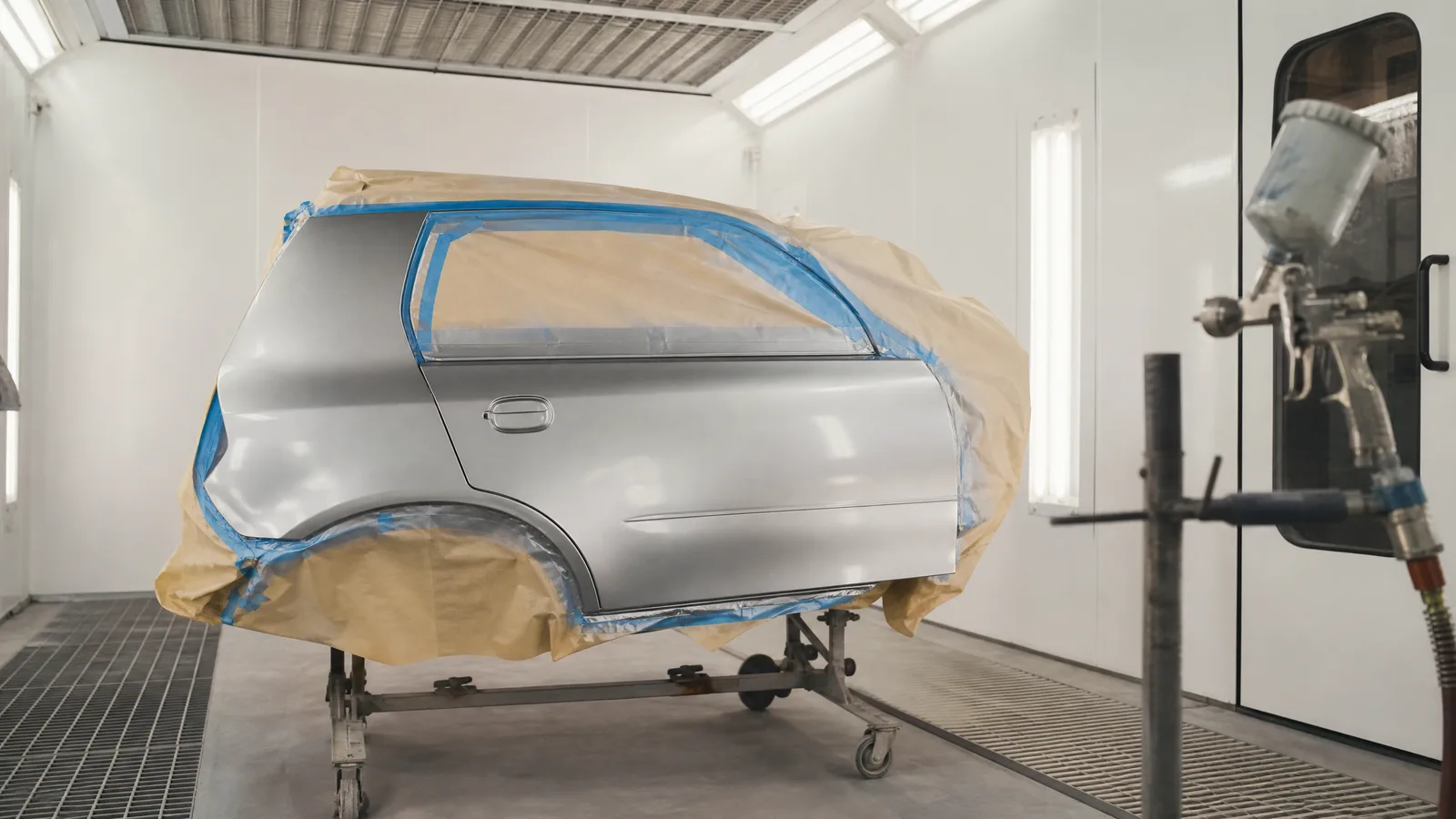
What makes body work its own risk
The base is the same two garage coverages every shop weighs: garage liability for the operations, garagekeepers for the customer's vehicle in your care, both defined in the standard forms IRMI documents (garage liability; garagekeepers). The decision logic between them is on our comparison page, and the general shop stack is on auto repair shop insurance. What this page adds is the body-shop-specific weight on every line.
The booth. Spray application concentrates flammable products, ignition potential, and ventilation equipment in one room, which makes the paint booth the center of the property conversation. Underwriters ask about suppression, storage of paints and solvents, and booth maintenance; state and local fire codes govern the specifics, and your documentation of all of it is part of the risk story.
The work. Body repairs carry consequences mechanical work usually does not: a structural repair performs its job in the next collision, years after your invoice. A claim that the repair itself failed is a liability question to put to the agent by name, faulty work, rather than assume into the program. Customer cars also sit in your shop longer than in a mechanical bay, days and weeks in process, which raises the stakes on which garagekeepers variant you carry.
The DRP relationship. Direct repair programs bring standing volume from auto insurers and contractual obligations with it: standards, documentation, guarantees. Those agreements belong in your insurance conversation like a lease does, because the carrier feeding you estimates is not the carrier protecting your shop.
The rest of the stack
Property coverage runs the NAIC's categories, building, equipment, machinery, inventory (NAIC, Insure U: Small Business Insurance), with frame racks, welders, and the booth itself as the expensive entries. Workers compensation arrives with the first hires in nearly all states, and a body shop floor of grinders, welders, and chemicals is the kind of workplace the coverage exists for. As everywhere on this site: the policy covers the operation it was told about, so towing, storage, mechanical work on the side, and every DRP all belong in the quote conversation. Or start at the overview.